
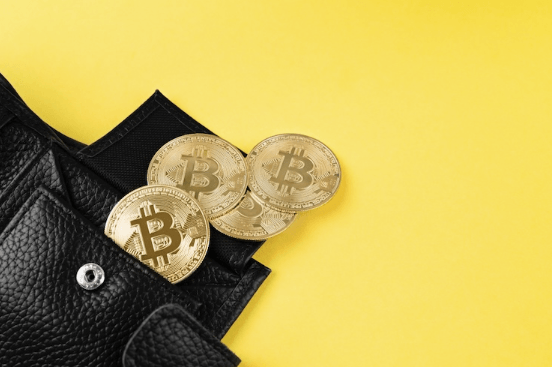
Choosing a crypto wallet is a risk-sensitive decision that depends on custody, control, and device security. Custodial vs non-custodial, hardware vs software, and cross-platform risks create trade-offs that affect access, recovery, and exposure. Practical setup, trusted sources, and robust backups matter as much as ongoing vigilance against phishing and malware. The stakes rise with real-world use cases and potential failures. The framework offers evidence-based guidance, but the best path requires careful assessment of personal risk tolerance and environment.
Choose the Right Wallet: Types, Pros/Cons, and Security
Choosing the right wallet is foundational for crypto security and usability: wallets vary widely in how they store keys, how they sign transactions, and what level of control users retain.
This analysis emphasizes wallet selection choices, illustrating custodial versus non-custodial models, hardware versus software, and cross-platform risks. Device security and risk mitigation guide informed, freedom-oriented decisions.
Set Up Your Wallet: Install, Back Up, and Access
Setting up a wallet requires clear, reproducible steps to minimize risk and ensure reliable access: install the wallet from trusted sources, secure backup phrases or keys, and verify access across devices before any transaction.
The process emphasizes setup backups, robust access methods, wallet recovery options, and device compatibility to sustain control while reducing exposure, ensuring freedom through disciplined, verifiable setup.
See also: How Technology Is Improving E-Commerce Platforms
Stay Safe: Practical Security and Troubleshooting
Proactive security requires a disciplined, risk-based approach to safeguard funds, devices, and data; common attack vectors include phishing, malware, and wallet compromise, each mitigated by verified sources, hardware-backed keys, and consistent use of multi-factor authentication. The guidance emphasizes password hygiene and phishing awareness, enabling informed, autonomous protection. Clear procedures, routine audits, and quick remedoral steps further reduce exposure without compromising freedom.
Real-Life Wallet Scenarios: Common Problems and Solutions
What are the typical pitfalls users encounter with crypto wallets, and how can they be resolved quickly and reliably? Real-world cash use exposes risks like phishing, loss of seed phrases, and device compromise; rapid recovery relies on multi-factor authentication, offline backups, and hardware wallets.
Wallet on the go challenges demand secure mobile practices, trusted networks, and contingency recovery plans for uninterrupted access.
Conclusion
In the evolving landscape of crypto, wallets stand as gates to trust and risk. A well-chosen, properly secured wallet acts like a fortress on a cliff—visible, but steadfast against stealthy tides. Custodial vs non-custodial, hardware vs software, cross-platform perils—all demand disciplined choices aligned with risk tolerance. Backups, phishing vigilance, and offline storage form the keystone. When formats fail or fingers slip, steady recovery depends on tested procedures and unwavering skepticism. Protect the keys; the future will follow.
